BECOMING OUTLINE
Video, 70 min
Video, 70 min
Legende
Video, 4K dcp, 5.1 surround, 70 min
according to the book dense story in 18 rooms [WVZ 120],
screenplay/direction/editing: mb; Camera: Marianne Andrea Borowiec
Sound: Andreas Hamza; soundmix soundediting: David Almeida–Ribeiro
sound mix 5.1: Thomas Pötz Kava
music: Stefan Nemeth
First–Person Performers:
Jona Moro, Gwendolin Kovacic, Katrin Kröncke, Anna Kohler Frauenlob, Lotta Bösch, Matilda und Isabella Lurf, …;
mother: Anat Stainberg; father: Thomas Hörl
distribution: sixpackfilm, 2024
supported by: BMKOES Film, City of Vienna Film, Province of Lower Austria, Otto Mauer Fonds
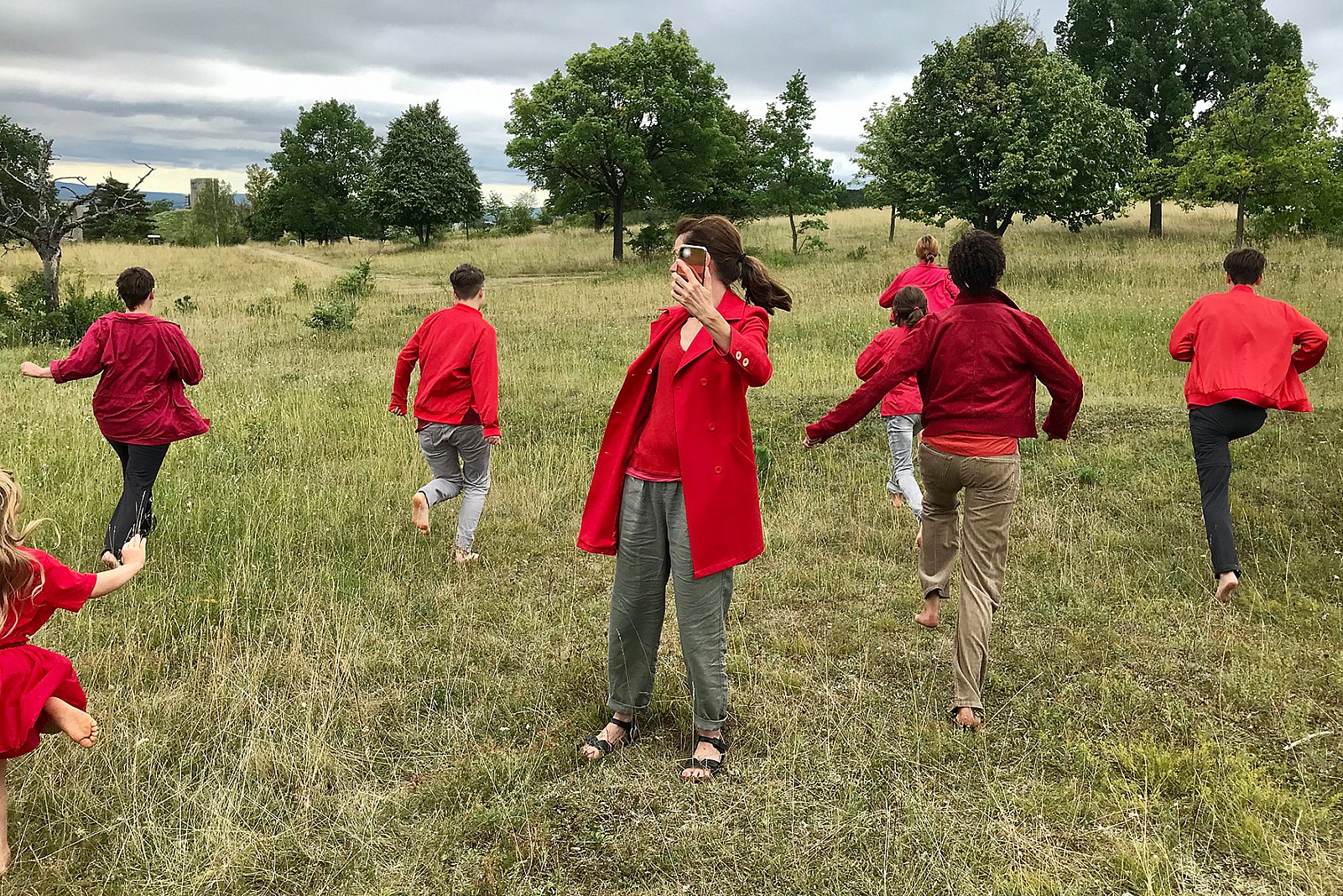
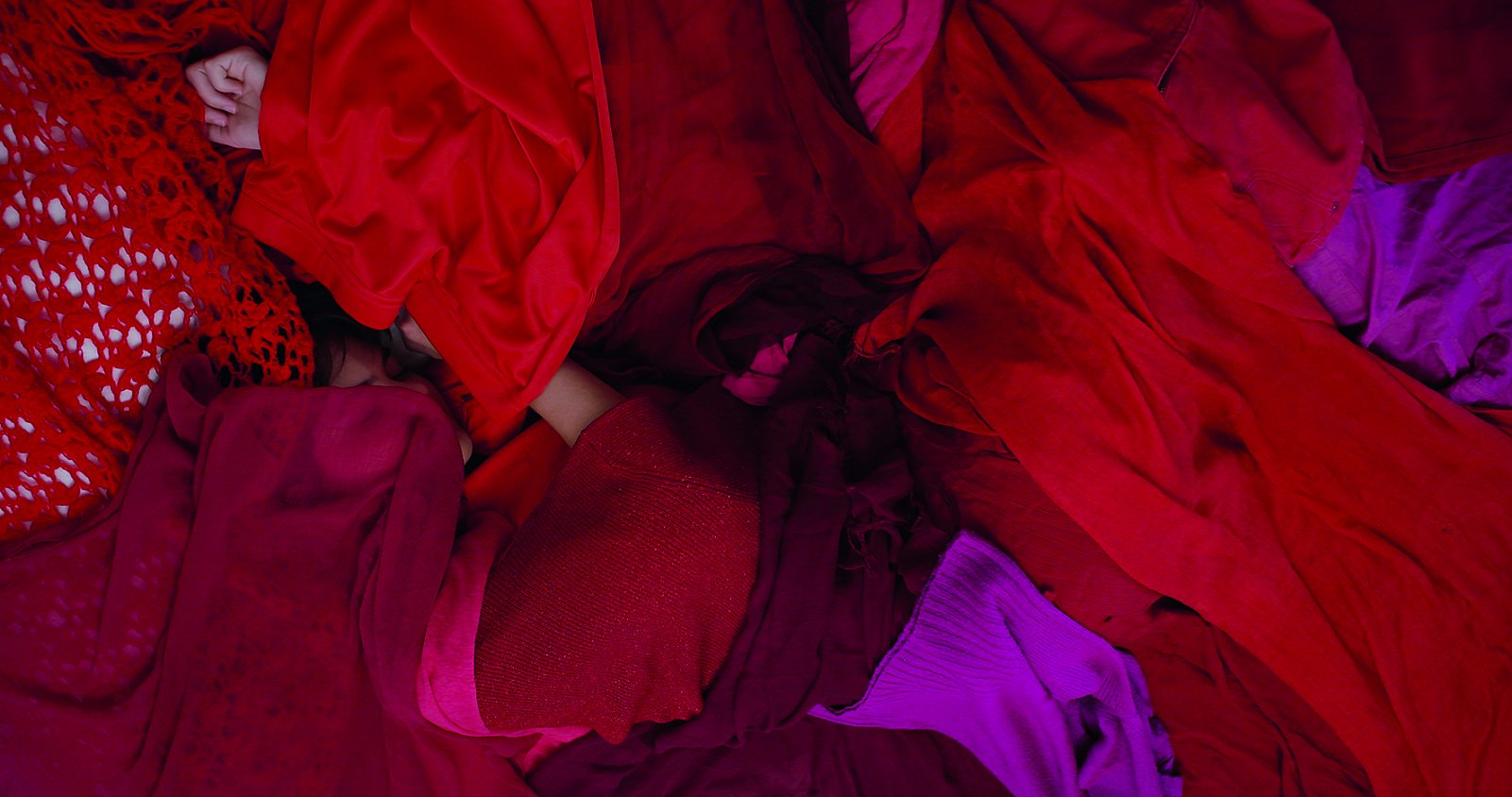
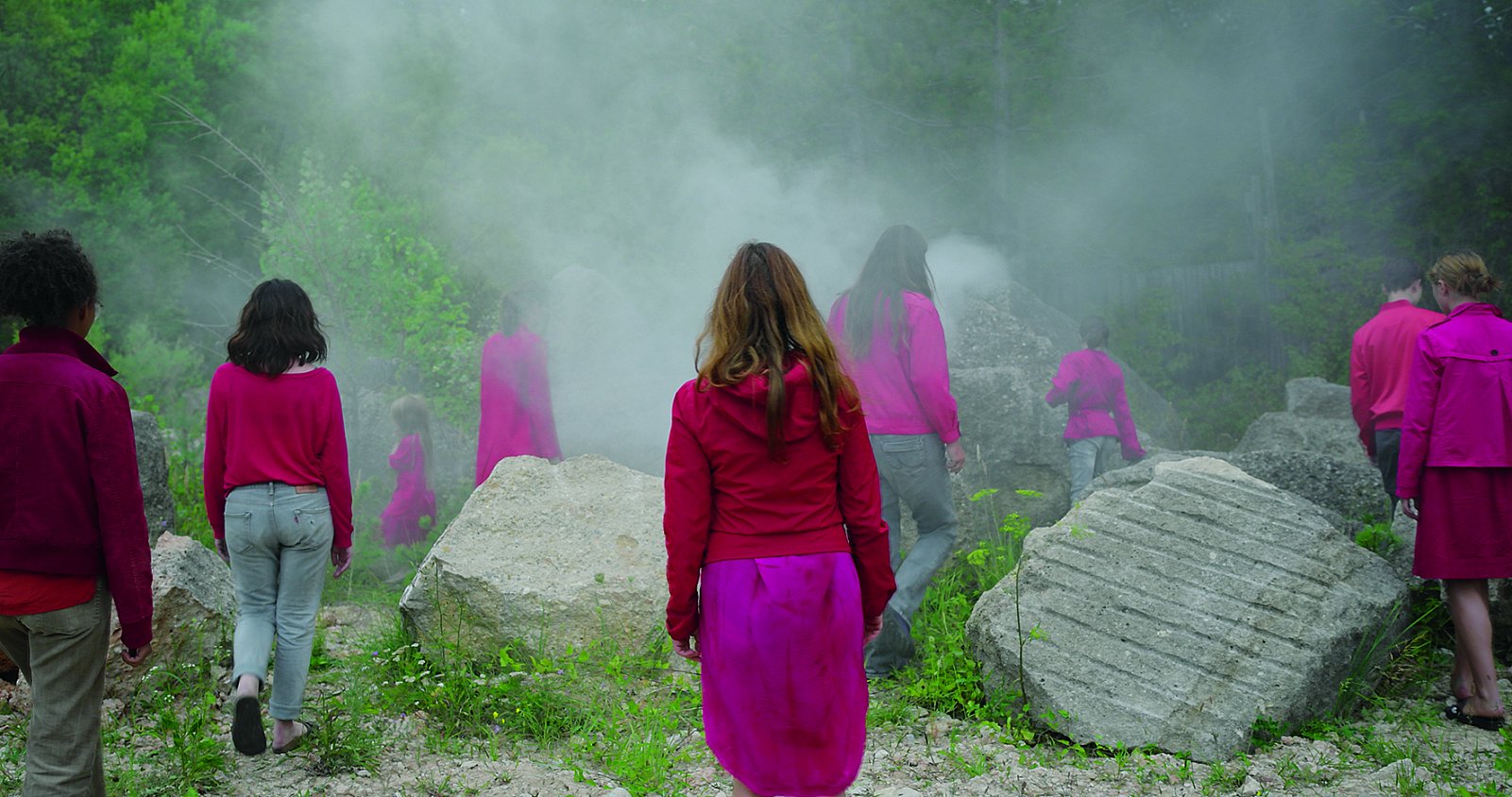
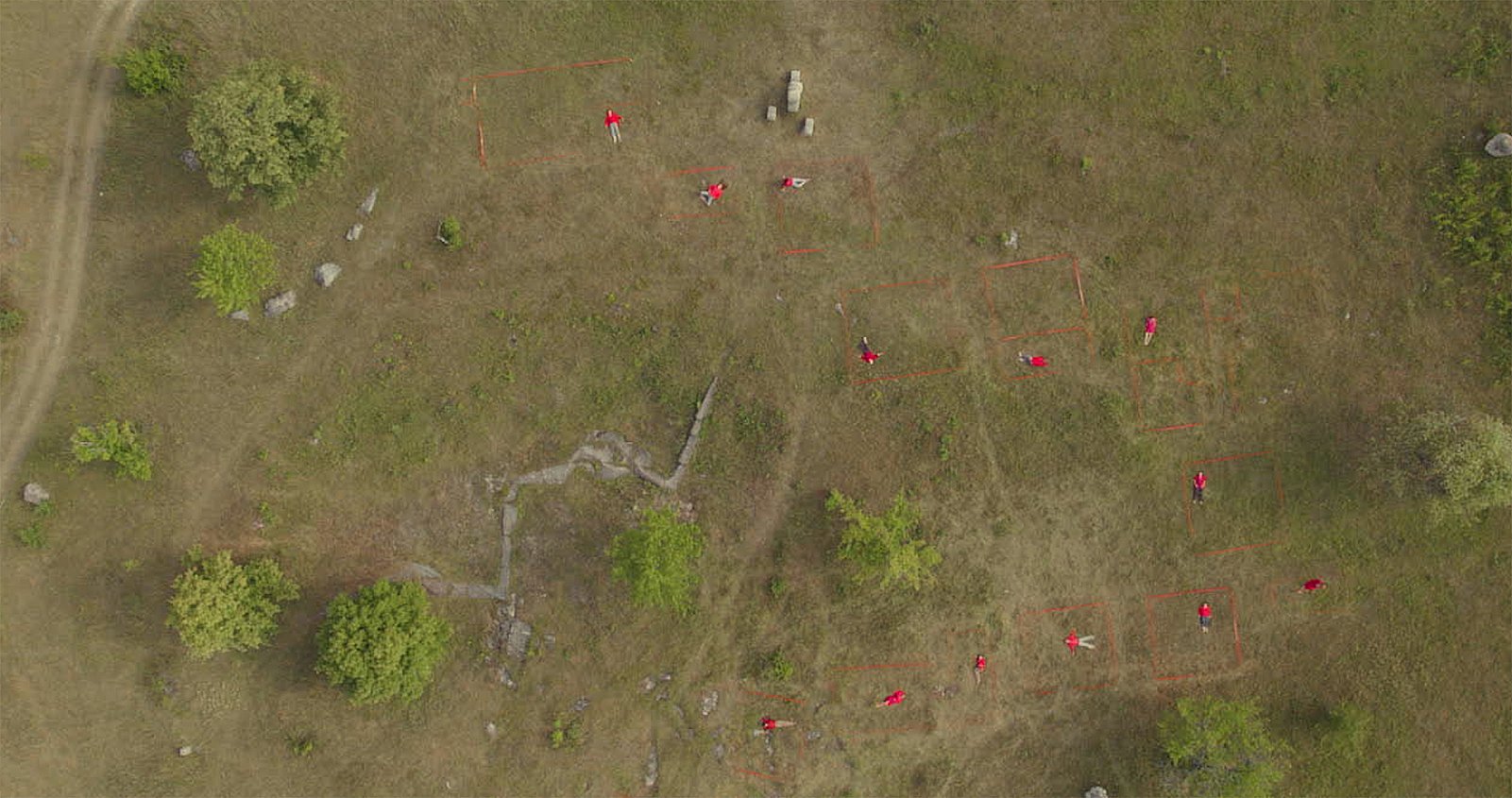
“In Becoming Outline, the eighteen ground plans of the apartments in which I lived can be seen one-to-one as a film set and as an outline marked in red on a field — a spatial resumé that fragmentarily thematizes growing up. What does it mean ‘to be at a disadvantage,’ and to come from a family that is economically weak in terms of capital, patriarchal and culturally uneducated, with a ‘foreground’ in immigration? What does the word ‘self-empowerment’ mean and how can a story like this be told cinematically? My experiment of creating a conceptual coming-of-age film."
Text Ji.hlava International Documentary Film Festival
It started with an autobiographical art project. Miriam Bajtala used the floor plans of the 18 apartments she had lived in until now. They served as canvases on which she used words and colors to transfer her memories of the given space as well as the disadvantageous socio-economic factors that shaped her as a woman and a foreigner. In the confrontation she had begun with her own family history, the author is now continuing the film, which is fiction, documentary and performance. Different spaces and dimensions of existence – national, class, gender – are constantly layered on top of each other and rearranged in it. The result of the act of visualization and updating becomes a spatial curriculum vitae.
Text Diagonale
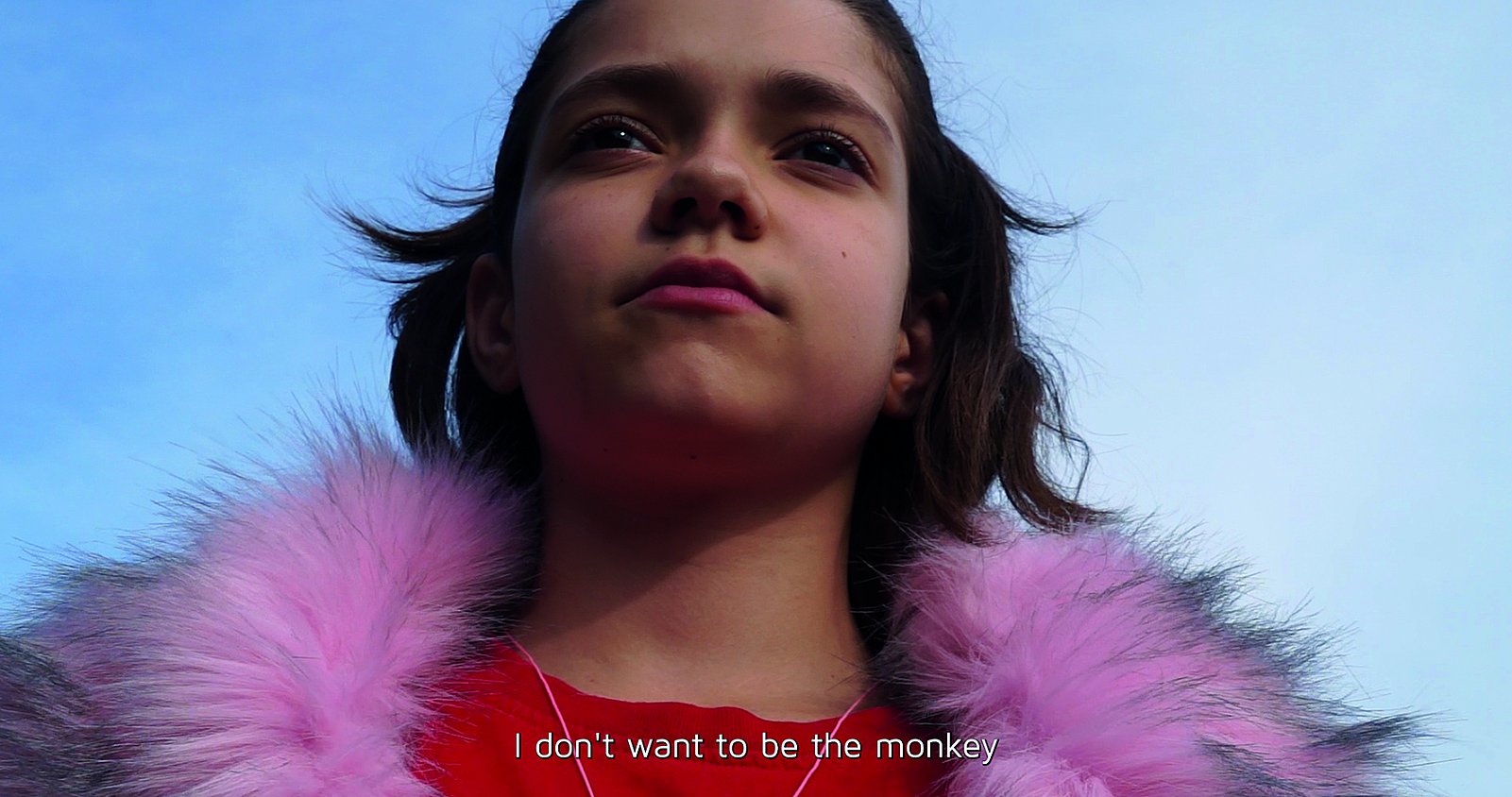
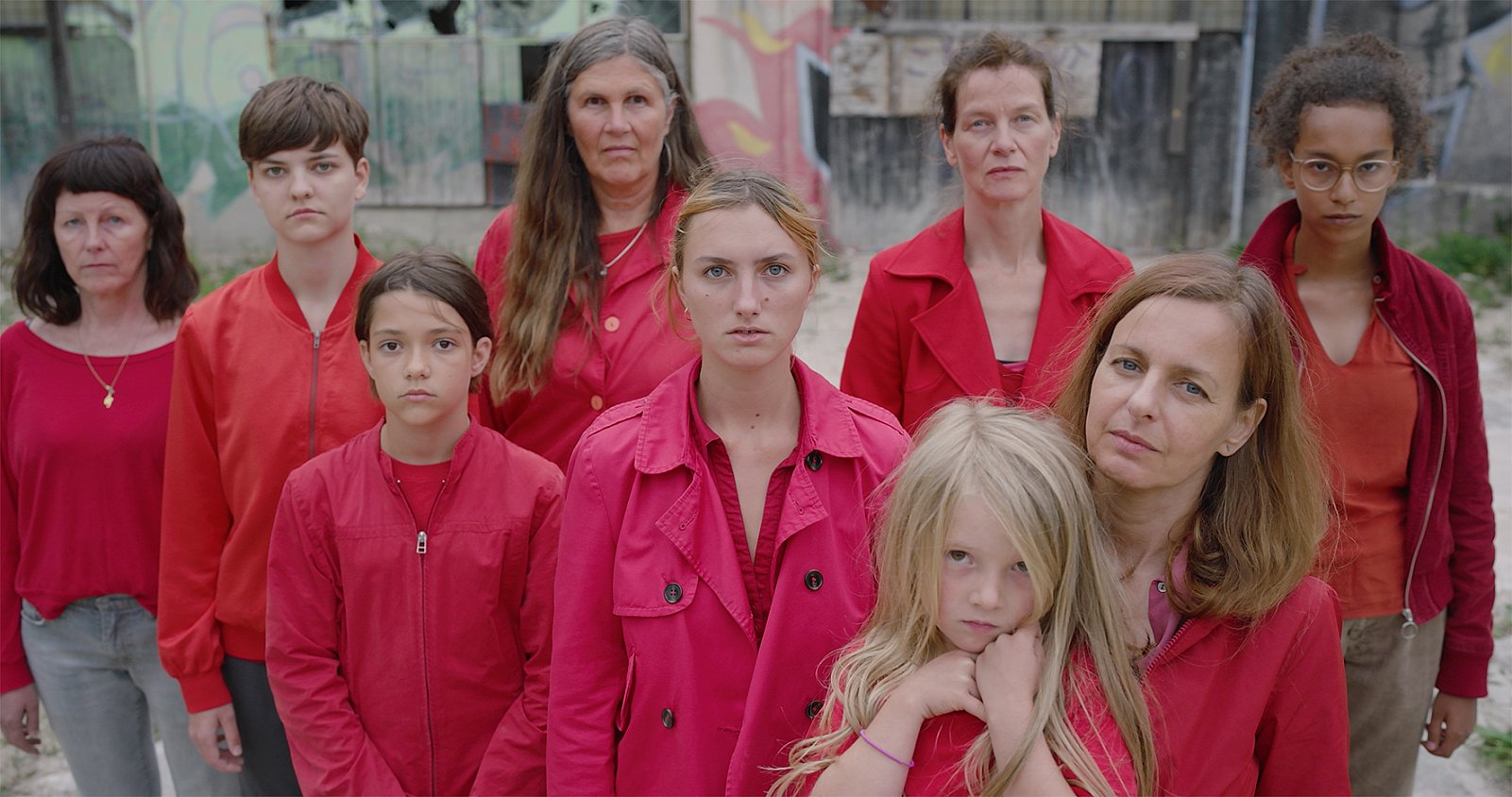
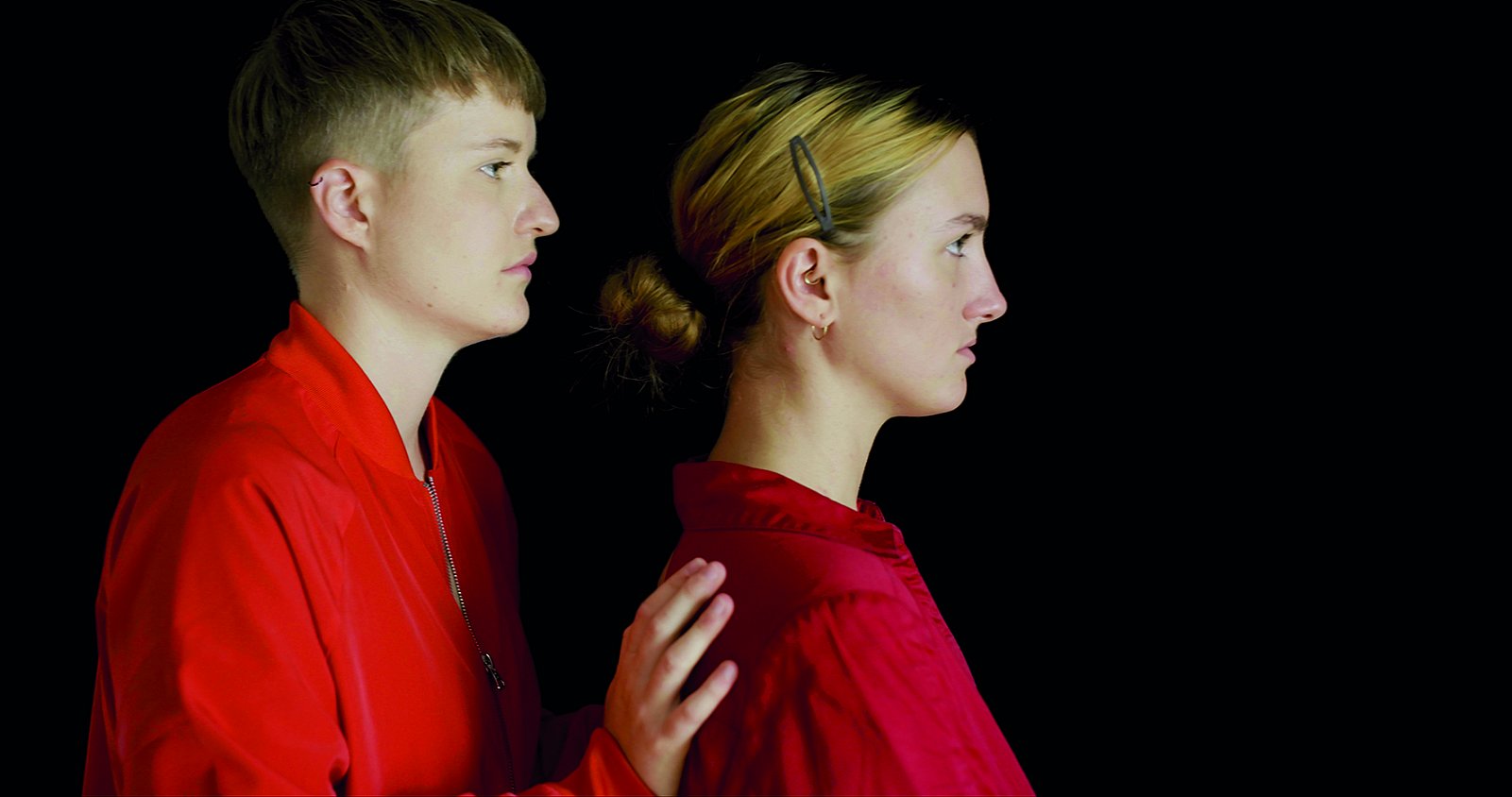
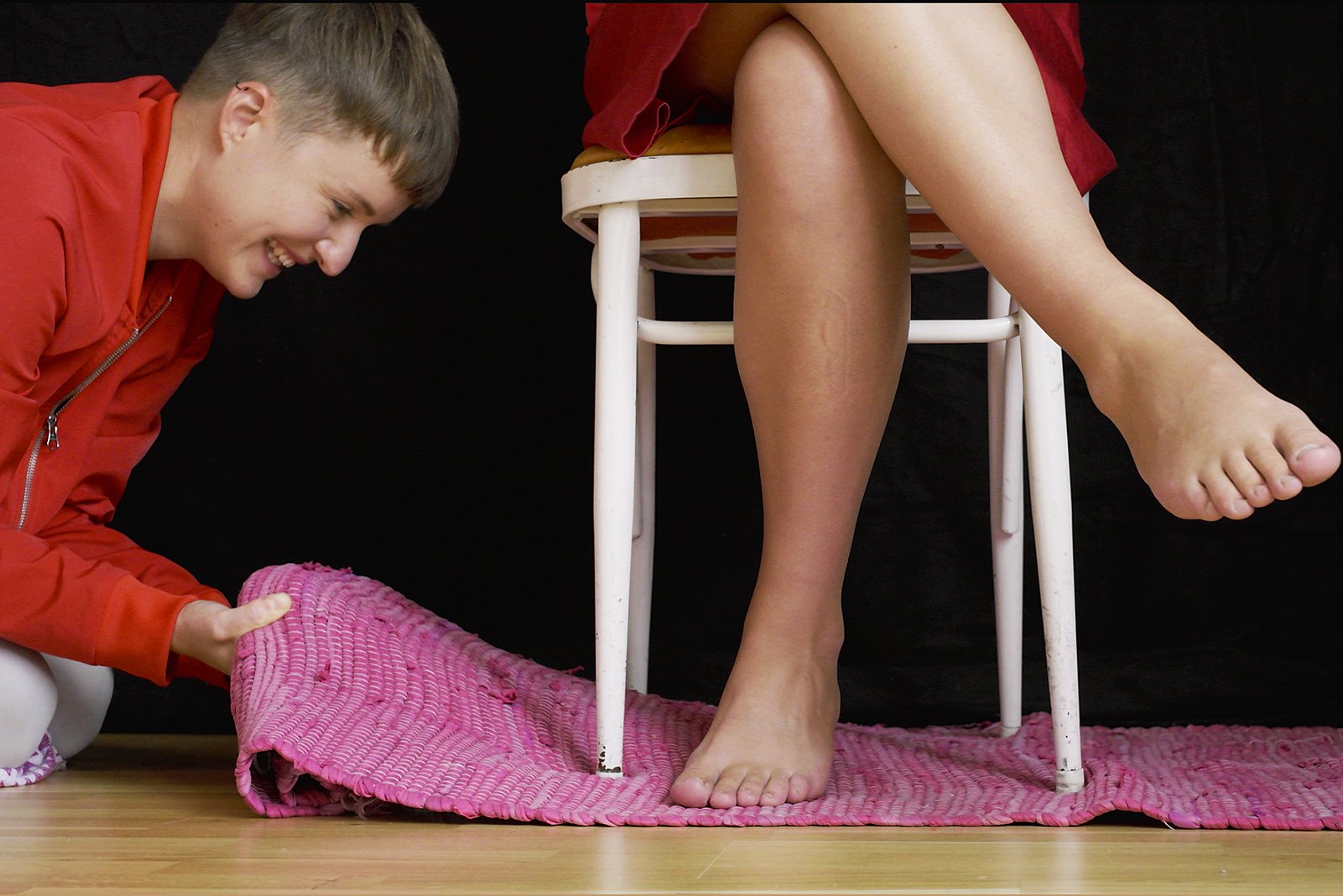
For a moment, father, mother, and daughter freeze into a tableau vivant. A voiceover recounts an episode from the life of the great-grandmother. Miriam Bajtala’s Becoming Outline is autoethnography, family constellation, and richly layered, complex self-portrait, all in one. Amateur actors play out scenes from the director’s childhood and adult life. The film runs through the stages of the family’s history of migration and social emancipation, individually and structurally.
Text sixpackfilm
At the beginning of Miriam Bajtala's Becoming Outline, we are told that in classical anthropology, field and and home are distinct spheres of knowledge. In the filmmaker’s exploratory confrontation with her own (family)history, however, the two coincide—distance and familiarity, objectivity and interconnectedness, rational understanding and affective involvement. The film attempts a productive confrontation along the spaces in which the artist has lived in Slovakia, Austria, Canada, and Central America; the translation of a subjectively experienced life into an artistic form in which—as the narrator/researcher who inhabits the soundtrack explains to us at the end—“the rift turns into an experience.”
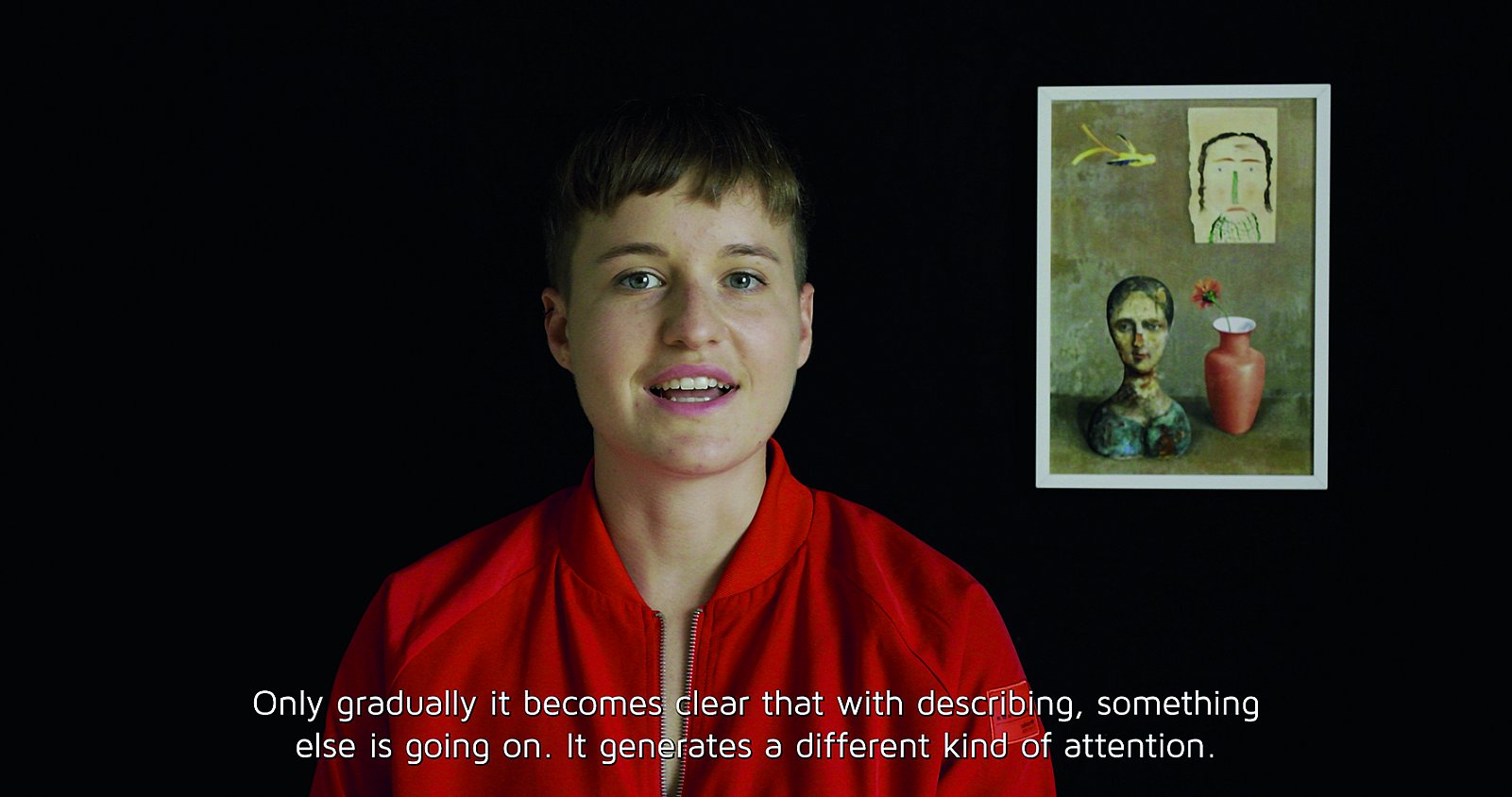
Without allowing the deeply personal to become navel-gazing of the private and innermost, Becoming Outline creates a cinematic form that describes the dimensions of class, nation, and gender as elements of a personal experience, personal socialization, and personal constitution. The film contrasts these discursive, political, historical spaces with the emergence of a freer “room of one’s own” (Viginia Woolf). Film and performance, images and voices, fiction and documentary, signs and affects mesh seamlessly, thus weaving apartments with sports halls, border stations with hotels, teachers’ and authors' rooms, only to lead them back again and again to a literal field where they are newly arranged. The encounter with this form could be described as an involved/involving abstraction, which demands empathy only to the extent that it does not disable the leeway that allows the viewer to transfer it to their own lives. (Alejandro Bachmann)
International premiere: 29th Ji.hlava Documentary Film Festival 2024
National premiere: Diagonale 2025
Crossing Europe, Linz, local artists, 2025
Ethnocineca, Vienna 2025
TRAILER
according to the book dense story in 18 rooms [WVZ 120],
screenplay/direction/editing: mb; Camera: Marianne Andrea Borowiec
Sound: Andreas Hamza; soundmix soundediting: David Almeida–Ribeiro
sound mix 5.1: Thomas Pötz Kava
music: Stefan Nemeth
First–Person Performers:
Jona Moro, Gwendolin Kovacic, Katrin Kröncke, Anna Kohler Frauenlob, Lotta Bösch, Matilda und Isabella Lurf, …;
mother: Anat Stainberg; father: Thomas Hörl
distribution: sixpackfilm, 2024
supported by: BMKOES Film, City of Vienna Film, Province of Lower Austria, Otto Mauer Fonds
“In Becoming Outline, the eighteen ground plans of the apartments in which I lived can be seen one-to-one as a film set and as an outline marked in red on a field — a spatial resumé that fragmentarily thematizes growing up. What does it mean ‘to be at a disadvantage,’ and to come from a family that is economically weak in terms of capital, patriarchal and culturally uneducated, with a ‘foreground’ in immigration? What does the word ‘self-empowerment’ mean and how can a story like this be told cinematically? My experiment of creating a conceptual coming-of-age film."
Text Ji.hlava International Documentary Film Festival
It started with an autobiographical art project. Miriam Bajtala used the floor plans of the 18 apartments she had lived in until now. They served as canvases on which she used words and colors to transfer her memories of the given space as well as the disadvantageous socio-economic factors that shaped her as a woman and a foreigner. In the confrontation she had begun with her own family history, the author is now continuing the film, which is fiction, documentary and performance. Different spaces and dimensions of existence – national, class, gender – are constantly layered on top of each other and rearranged in it. The result of the act of visualization and updating becomes a spatial curriculum vitae.
Text Diagonale
For a moment, father, mother, and daughter freeze into a tableau vivant. A voiceover recounts an episode from the life of the great-grandmother. Miriam Bajtala’s Becoming Outline is autoethnography, family constellation, and richly layered, complex self-portrait, all in one. Amateur actors play out scenes from the director’s childhood and adult life. The film runs through the stages of the family’s history of migration and social emancipation, individually and structurally.
Text sixpackfilm
At the beginning of Miriam Bajtala's Becoming Outline, we are told that in classical anthropology, field and and home are distinct spheres of knowledge. In the filmmaker’s exploratory confrontation with her own (family)history, however, the two coincide—distance and familiarity, objectivity and interconnectedness, rational understanding and affective involvement. The film attempts a productive confrontation along the spaces in which the artist has lived in Slovakia, Austria, Canada, and Central America; the translation of a subjectively experienced life into an artistic form in which—as the narrator/researcher who inhabits the soundtrack explains to us at the end—“the rift turns into an experience.”
Without allowing the deeply personal to become navel-gazing of the private and innermost, Becoming Outline creates a cinematic form that describes the dimensions of class, nation, and gender as elements of a personal experience, personal socialization, and personal constitution. The film contrasts these discursive, political, historical spaces with the emergence of a freer “room of one’s own” (Viginia Woolf). Film and performance, images and voices, fiction and documentary, signs and affects mesh seamlessly, thus weaving apartments with sports halls, border stations with hotels, teachers’ and authors' rooms, only to lead them back again and again to a literal field where they are newly arranged. The encounter with this form could be described as an involved/involving abstraction, which demands empathy only to the extent that it does not disable the leeway that allows the viewer to transfer it to their own lives. (Alejandro Bachmann)
International premiere: 29th Ji.hlava Documentary Film Festival 2024
National premiere: Diagonale 2025
Crossing Europe, Linz, local artists, 2025
Ethnocineca, Vienna 2025
TRAILER
excerpts from the film becoming outline
(1 min or 30 sec):